From lodging the claim to today
Why the claim was lodged
In March 2008 the Parapara Marae Committee passed a resolution supporting a claim. On 28 August 2008 the Tribunal received Chappy Harrison's letter, lodging what became Wai 2000. Chappy later explained: "We are so concerned about our real interests in Rangiputa being ignored... that we decided to file a claim to Rangiputa Station and other resumable properties within our traditional rohe." The Tribunal's official file name for the claim is "the Harihona Whānau claim" — Harihona is our original whānau name, before it was anglicised to Harrison.
The claimant list grows
Three claims cover the Parapara/Ngāti Tara area — Wai 2000, a related claim brought by Robert Gabel, and the Wright whānau's claim (Leah Wright is the main claimant today). Years ago, when the Tribunal moved to close its claim registration window, people from the same whānau network lodged separately so nobody's interests were missed — the claims aren't competing, and the same people work together across all of them. Over time, with the Parapara Marae Committee's formal support, Raniera Bassett, Hone (John) Bassett, Robert Gabel, Kelvin Phillips, Mervin Priestley, Tinalee Bassett (Raiti-Yates) and Donald Raiti joined as named claimants alongside Chappy.
Evidence to the wider inquiry
Alongside other Muriwhenua hapū, Ngāti Tara gave evidence to the Tribunal's wider Wai 45 Muriwhenua Lands inquiry — including briefs from Robert Gabel, Lloyd Pōpata and Raniera Bassett. This became the foundation for the more detailed wāhi tapu research that followed.
Joining the Te Paatū cluster
Ngāti Tara Wai claimants formally joined the Te Paatū claims cluster, extending the completed Te Paatū Wāhi Tapu and Portable Taonga Project to cover Ngāti Tara sites specifically.
A landmark report
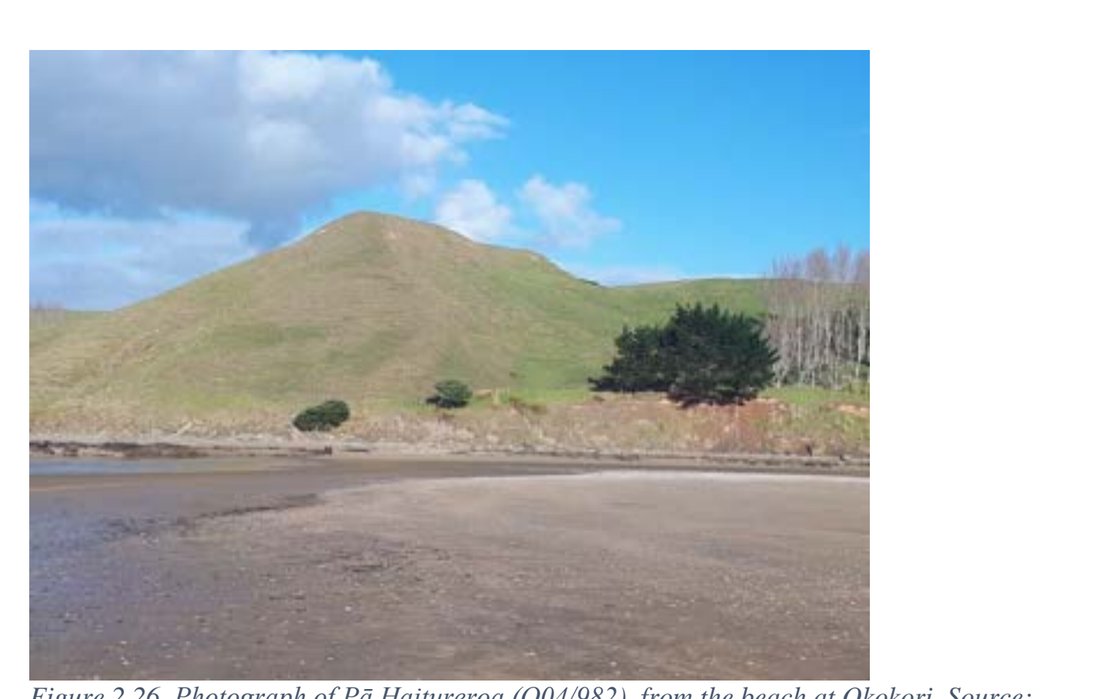
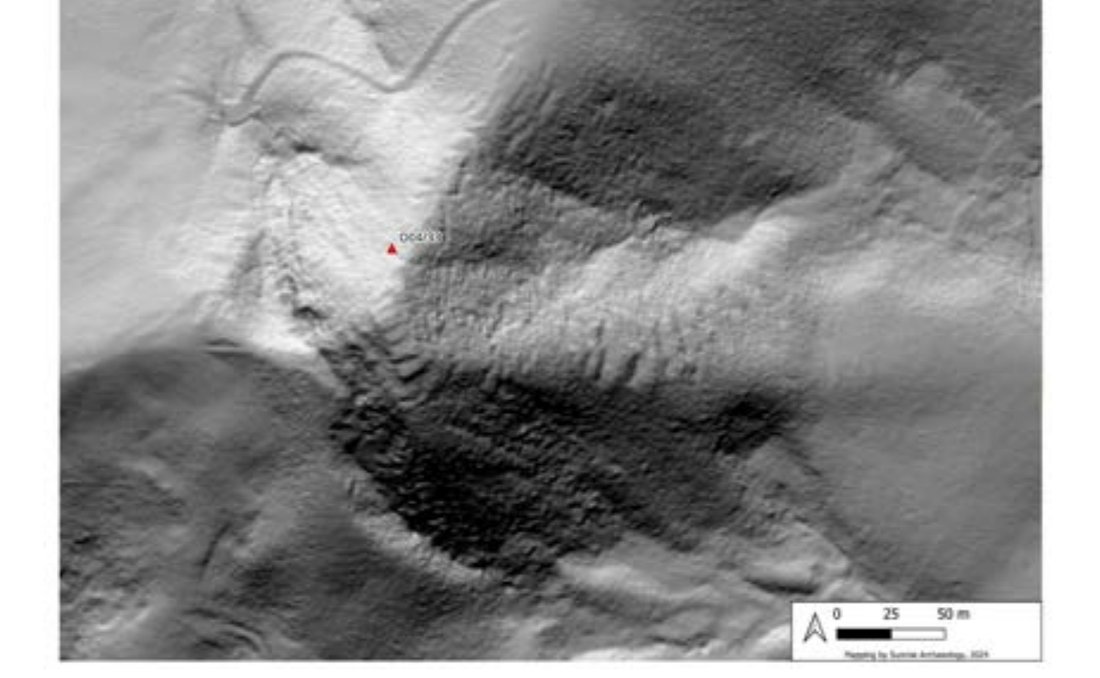
Historian Ben Leonard, with archaeologists Justin Maxwell and Jennifer Huebert, completed Ngāti Tara: Wāhi Tapu and Portable Taonga for the Crown Forestry Rental Trust — documenting how Crown land dealings from the 1840s onward repeatedly failed to protect sites Ngāti Tara had asked to be set aside. See Resources for summaries.
Research commissioned by the Crown
A broader history project — the Ngāti Tara Customary Interests Project, commissioned by the Crown Forestry Rental Trust — is tracing our history from first occupation to today. It's still underway. In June 2026, a second, independently commissioned report (Wai 45 #T32) was finalised, adding primary-source confirmation of key facts, including a Land Court record of wāhi tapu status at Parapara dating to 1908.
We are hereHearings before the Tribunal
No date has been set. September 2027 is pencilled in but won't be confirmed until outstanding research and evidence are filed. At hearings, claimants present evidence directly to the Tribunal and the Crown responds; hearings are usually open for whānau to attend.
Tribunal findings
After hearings, the Tribunal prepares a report on whether the Crown breached Te Tiriti o Waitangi, and what it recommends by way of redress.
Settlement negotiations
From there, claimants and the Crown typically enter negotiations toward a settlement.